
You can spend an entire afternoon at home feeling reasonably comfortable. You might be reading, watching television, catching up with a few jobs or simply enjoying some time to yourself. Nothing feels particularly difficult. Then someone suggests going out.
It might be a trip to the shops, meeting a friend for coffee or attending an appointment. You haven’t even left the house, but something has changed. Perhaps you notice an uncomfortable feeling in your stomach, your shoulders become tense or you suddenly feel reluctant to go.
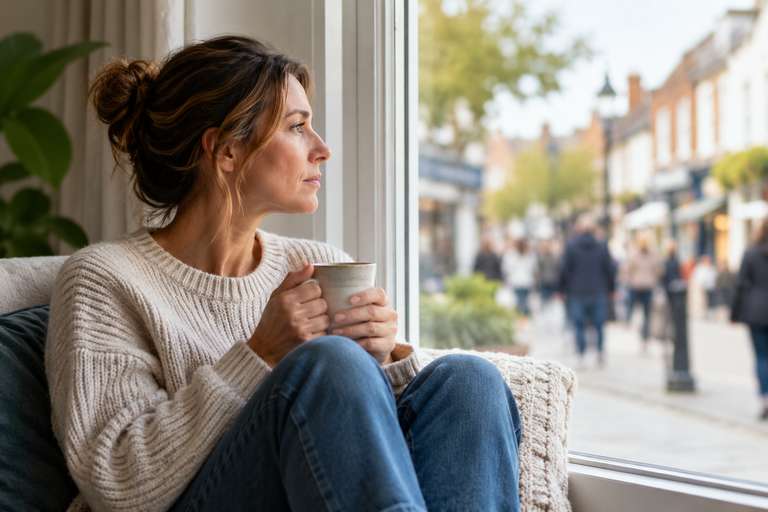
You might find yourself wondering whether you’ll feel anxious while you’re there, whether you’ll be able to leave if you need to, or how you’ll manage if something unexpected happens. Yet an hour earlier, you were feeling perfectly comfortable.
If you feel less anxious at home, it is worth understanding what changes when you go elsewhere. In my work helping people with anxiety, I find that the difference between feeling comfortable in one place and anxious in another can tell us a great deal about what someone is experiencing.
It doesn’t necessarily mean that you dislike going out. You may enjoy visiting places, meeting people and trying new things. You would simply like to feel as comfortable doing those things as you do when you’re at home.
What Makes Home Feel Different?
Think about what happens when you’re at home. You know your surroundings. You can choose what you’re doing, change your plans and move from one room to another whenever you like. If you’re feeling tired, you can sit down. If you want some peace and quiet, you can usually find it. You don’t have to explain yourself to anyone or worry particularly about how you appear. For some people, that familiarity brings a sense of comfort.
Being somewhere else can introduce uncertainties that aren’t present at home. You may not know how busy a place will be, how long you’ll need to stay or whether you’ll be able to leave when you want to. Perhaps you feel uncomfortable about other people noticing that you’re anxious.
Sometimes the difference is quite subtle. You might feel perfectly comfortable visiting a familiar friend but anxious about going somewhere you’ve never been before. And for others, it isn’t the place itself that matters. It’s what they expect might happen while they’re there. I want to understand those differences because they can help explain why your anxiety changes between situations.
When The Anxiety Begins Before You Leave
Sometimes the difficult part isn’t actually being somewhere else. It’s getting there. You might agree to meet someone several days in advance and feel quite pleased about the arrangement. But as the day approaches, you begin thinking about it more often.
Will you feel comfortable? What if you’re anxious when you arrive? What happens if you want to leave early? You may start mentally rehearsing the journey, deciding what time to leave or thinking about possible excuses for cancelling. By the time you’re supposed to go, you might feel so uncomfortable that staying home seems enormously appealing. This is where anticipatory anxiety can become part of the picture.
What I find particularly interesting is that the actual experience may turn out to be quite enjoyable. You might have a lovely afternoon, get home and wonder why you were so worried. But the next time something similar comes along, the anxiety returns. That tells us that simply getting through an event doesn’t always change how you feel about the next one.
When Your Body Reacts Before You Understand Why
Not everyone experiences anxiety as a stream of worried thoughts. Sometimes you become aware of a physical sensation first. Perhaps you feel slightly sick while getting ready to leave. You notice your heart beating more quickly or become uncomfortable with the feeling that you need to take a deeper breath. You may feel light-headed, unusually warm or tense without knowing quite why.
At home, these sensations might rarely trouble you. But when you’re somewhere less familiar, you may become particularly aware of them. You might begin checking how you feel, wondering whether the sensations are becoming stronger or whether other people can tell something is wrong. For someone who has experienced panic attacks, the possibility of those sensations returning can become a concern in itself.
It’s important not to assume that unfamiliar physical symptoms are caused by anxiety. New or concerning symptoms should be medically assessed. But where anxiety is involved, understanding the physical response is often an important part of helping someone feel more comfortable.
The Comfort Of Knowing You Can Leave
Imagine sitting in a restaurant with people you enjoy spending time with. You’re having a pleasant conversation, the food is good and there’s nothing particularly worrying about the occasion. Yet part of your attention is elsewhere.
Perhaps you’re wondering how much longer everyone intends to stay. You might be thinking about what you’d say if you suddenly wanted to leave. You aren’t necessarily frightened of the restaurant or the people around you. What troubles you is the feeling that you cannot simply get up and go home whenever you want.
For some people, knowing they can leave makes an enormous difference to how comfortable they feel. This can explain why a short visit seems manageable while a longer commitment feels much more difficult. It may also explain why travelling in your own car feels easier than relying on someone else for transport.
The important question isn’t whether these arrangements are right or wrong. It’s whether they are helping you enjoy your life or gradually limiting what you feel able to do.
When Staying Home Becomes The Easier Choice
There is nothing wrong with enjoying your own home. Some people genuinely prefer quiet evenings, familiar surroundings and having plenty of time to themselves. You don’t need to become more outgoing simply because other people think you should. The difficulty arises when staying home is no longer entirely a preference.
Perhaps you’ve started turning down invitations you would previously have accepted. You make excuses about being busy or tired because explaining your anxiety feels more complicated. You might find yourself choosing where to go based primarily on how easily you could return home.
At first, these decisions can seem quite reasonable. After all, nobody wants to spend an afternoon feeling uncomfortable. And cancelling something may bring immediate relief. But that relief can sometimes make staying home increasingly appealing, while going elsewhere begins to feel more difficult.
Gradually, you may discover that your choices have become narrower, even though your interests and wishes haven’t really changed. You still want to do things. You just don’t want the anxiety that seems to accompany them.
Does Feeling Safer At Home Mean You Have Agoraphobia?
Not necessarily. Agoraphobia is an anxiety condition involving fear or anxiety about particular situations where escape might feel difficult or help might not be available. It can involve public transport, crowds, open spaces, enclosed places or being away from home alone. But feeling more comfortable at home doesn’t automatically mean you have agoraphobia.
You might feel anxious elsewhere because you dislike being observed, worry about your physical sensations or find unfamiliar situations difficult. Sometimes the anxiety is connected with a particular place or experience. At other times, several concerns overlap.
And occasionally, the situation itself really is uncomfortable or stressful. A crowded, noisy environment or an unreasonable demand can be difficult without there being anything irrational about your response. I wouldn’t want to apply a label simply because someone feels anxious away from home. I’d rather understand what they are experiencing and why those particular situations have become difficult.
How Can You Begin Feeling More Comfortable Elsewhere?
A common suggestion is to keep going out until the anxiety eventually disappears. For some people, gradually approaching situations they’ve been avoiding can be helpful, particularly when it forms part of an appropriate therapeutic approach. But I don’t think it’s enough simply to tell someone to keep doing something that makes them uncomfortable. We need to understand what is making it difficult in the first place.
If you’re worried about feeling trapped, that may need a different approach from someone who becomes anxious about being watched by other people. If your concern centres on uncomfortable physical sensations, we may need to look at how you respond when those feelings arise. And if you have experienced genuinely unpleasant situations, practical changes to your circumstances may be important too.
You might begin by noticing which places feel relatively comfortable and which don’t. Is it easier when you’re with someone you know? Does having your own transport make a difference? Are you more comfortable when you know how long something will last?
These observations aren’t about creating more rules for going out. They’re a way of understanding what changes your experience, so that you can begin developing greater confidence without becoming dependent on increasingly elaborate arrangements.
Enjoying Being Out Without Thinking About Going Home
When I ask someone what they would like to change, the answer is often surprisingly ordinary. They don’t necessarily want to travel around the world or attend crowded events. They might simply want to browse around a shop without rushing to finish.
Perhaps they’d like to visit a friend and enjoy the conversation rather than spending half the time wondering when it would be acceptable to leave. Or they want to take a journey without continually checking how they’re feeling. These are the sorts of changes that matter.
Imagine being somewhere you enjoy and realising that your attention is on what you’re doing, rather than how long it will be before you’re home. You could decide when to leave because you’ve finished what you wanted to do, not because anxiety has made the decision for you. That is a rather different experience from managing to stay somewhere while counting down the minutes.
How I Work With Anxiety Away From Home
When someone comes to see me because they feel anxious away from home, I don’t begin by assuming that they need to become more adventurous or sociable. I want to understand what they would like to do and what currently makes that difficult.
We might explore what happens as they prepare to leave, how they feel when they arrive somewhere and what changes if they know they can return home easily. I also want to understand what they have already tried and whether particular ways of managing anxiety have become necessary before they feel able to go anywhere.
Depending on their circumstances, I may use clinical hypnosis alongside practical therapeutic techniques and mental rehearsal to help them develop different responses to situations they find difficult. The approach is individual because the reasons for feeling anxious away from home aren’t necessarily the same for everyone.
My aim isn’t to take away the pleasure you find in being at home. It’s to help you explore whether you can feel more comfortable in other places too.
Frequently Asked Questions
Home may feel more comfortable because your surroundings are familiar and you have greater control over what you do. Elsewhere, you might feel uncertain about what will happen, worry about physical sensations or feel uncomfortable about being observed. The reasons vary, so it is worth understanding what changes for you personally.
Yes. You may genuinely look forward to seeing someone or visiting somewhere, yet become anxious as the occasion approaches. Wanting to do something and feeling comfortable doing it are not always the same. Sometimes the anticipation is more difficult than the experience itself.
No. Although agoraphobia can involve anxiety about leaving home, there are many reasons someone might feel uncomfortable elsewhere. Anxiety about social situations, physical sensations, unfamiliar surroundings or particular experiences can produce similar feelings. A proper assessment is needed if you are concerned about a specific diagnosis.
Cancelling a plan can remove the immediate source of anxiety, bringing a sense of relief. However, if this becomes your usual response, it can sometimes make going out feel increasingly difficult. Understanding that pattern can help you explore alternatives without forcing yourself into situations you’re not ready to manage.
Having someone familiar nearby may provide reassurance, practical support or greater confidence about managing an unexpected situation. That support can be valuable. The question is whether you’d also like to feel comfortable doing certain things independently, and what might help you develop that confidence.
Hypnotherapy may be helpful for some people experiencing anxiety in particular places or situations. I would begin by understanding what changes when you leave home, how you respond to those feelings and what you would like to do more comfortably. We can then explore therapeutic approaches suited to your individual circumstances.
Feeling At Home In More Of Your Life
Home can be a wonderful place to relax, recover from a busy day and enjoy familiar surroundings. There is no reason that should change. But if anxiety is making it difficult to enjoy places beyond your front door, it is worth exploring why.
You may find that certain situations have become associated with uncomfortable sensations, uncertainty or the feeling that you cannot leave when you want to. Understanding those responses can be a useful starting point for change.
And perhaps what you would really like isn’t to spend less time at home, but to have more freedom to choose. To go out when you want to, stay when you’re enjoying yourself and return home because you’re ready, rather than because you feel you must.
If you’d like to explore whether hypnotherapy could help you feel more comfortable away from home, you’re welcome to contact me. We can begin by looking at what happens in the situations you find difficult and what you’d like to experience differently.